
The landscape of global mobility has evolved dramatically, with numerous countries offering citizenship through diverse pathways to attract talent, capital, and cultural diversity. Whether through investment, ancestry, naturalization, or birthright, the opportunities for individuals seeking alternative citizenship have expanded significantly. Understanding the various routes available and the specific requirements of countries offering citizenship enables prospective applicants to make informed decisions aligned with their personal and professional objectives.
Understanding Different Citizenship Pathways
Countries offering citizenship have established multiple routes to accommodate different applicant profiles and objectives. Each pathway serves distinct purposes within national immigration frameworks whilst providing individuals with opportunities to secure legal status and mobility rights.
Citizenship by Investment Programs
Investment-based citizenship represents the fastest route to obtaining a second nationality. These programs require applicants to make substantial financial contributions to national economies through government bonds, real estate purchases, business investments, or donations to development funds.
Key characteristics include:
- Processing times ranging from three to six months
- No physical residency requirements in many jurisdictions
- Full citizenship rights, including passport issuance
- Ability to include family members in applications
- Due diligence requirements and background checks
The Vanuatu Citizenship by Investment – CIIP exemplifies a streamlined approach, offering one of the fastest processing times globally whilst maintaining rigorous security standards. Caribbean nations dominate this sector alongside Pacific island jurisdictions, each offering unique benefits tailored to different investor profiles.

Citizenship Through Ancestry
Ancestral citizenship programs allow individuals to claim nationality based on lineage, provided they can demonstrate direct descent from citizens. Countries granting citizenship through ancestry typically require comprehensive documentation proving family connections.
| Country Type | Documentation Required | Processing Time | Generational Limit |
|---|---|---|---|
| European Nations | Birth certificates, marriage records | 12-24 months | Up to 3 generations |
| Latin American Countries | Civil registry documents | 6-18 months | Varies by jurisdiction |
| Middle Eastern States | Paternal lineage proof | 12-36 months | Usually direct parents |
This pathway involves no financial investment beyond administrative fees but demands meticulous genealogical research and document authentication. Applications often require certified translations and apostilled documents from multiple jurisdictions.
Naturalization and Residency-Based Citizenship
Traditional naturalization remains the most common pathway globally. Countries offering citizenship through residency require applicants to maintain continuous legal residence for specified periods before eligibility.
Standard requirements include:
- Five to ten years of continuous residency
- Language proficiency in national or official languages
- Knowledge of national history, culture, and civic structure
- Clean criminal record and financial solvency
- Proof of integration into local society
Investment Migration Programs in 2026
The investment migration sector has matured considerably, with enhanced due diligence protocols and international cooperation mechanisms strengthening program integrity across participating jurisdictions.
Caribbean Citizenship Programs
Five Caribbean nations operate established citizenship by investment programs, each with distinct characteristics and investment thresholds. These jurisdictions offer visa-free travel to numerous destinations, including the Schengen Area and the United Kingdom.
Program comparison:
- Antigua and Barbuda: Contributions from $230,000; includes National Development Fund and real estate options
- Dominica: Most affordable program starting at $200,000; known for straightforward processing
- Grenada: Unique E-2 treaty access to the United States; minimum investment $235,000
- St Kitts and Nevis: Longest-running program since 1984; contribution from $250,000
- St Lucia: Multiple investment routes including government bonds and enterprise projects
These programs maintain strict compliance frameworks aligned with international standards, particularly following recommendations from organizations monitoring financial transparency.
European Citizenship Options
European countries offering citizenship through investment typically structure programs as residency-to-citizenship pathways rather than direct nationality schemes. Malta operates one of the few direct citizenship programs within the European Union, requiring substantial investment alongside genuine links to the country.
Investment requirements span:
- Government bond investments from €500,000
- Business establishment creating employment opportunities
- Philanthropic contributions to approved development projects
Processing timelines extend from 12 to 36 months, reflecting comprehensive background investigations and integration assessments. Countries with citizenship by investment programs maintain varying standards for due diligence and applicant vetting procedures.
Pacific Island Citizenship Programs
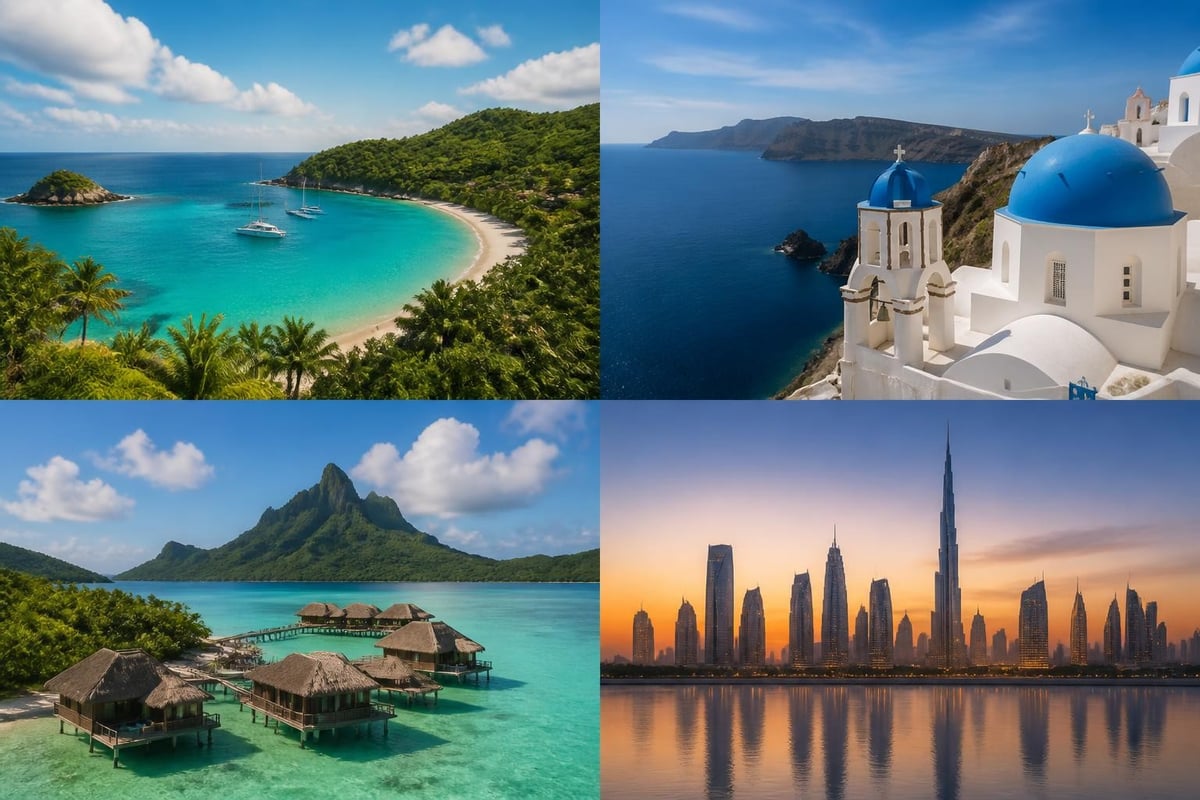
The Pacific region has emerged as a significant player in the investment migration sector, with Vanuatu leading through established programs offering streamlined processing and competitive pricing structures.
Vanuatu’s Investment Options
Vanuatu operates two primary citizenship pathways for investors: the Development Support Program (DSP) and the Capital Investment Immigration Plan (CIIP). Both programs provide full citizenship with no residency requirements, offering substantial benefits beyond visa-free travel.
The DSP requires a non-refundable contribution to government development initiatives, supporting infrastructure, education, and healthcare sectors. Processing occurs within three to four months, making it one of the fastest programs globally. The Vanuatu Government confirms equal rights between naturalized and natural-born citizens, ensuring full legal status.
Key advantages include:
- No personal income tax, wealth tax, or inheritance tax
- Visa-free access to approximately 100 destinations
- Commonwealth membership benefits
- Political and economic stability in the Pacific region
- Straightforward application process with government-authorized agents
The CIIP provides an alternative investment route with similar processing efficiency. Approval data demonstrates consistent processing standards and program transparency since inception.
São Tomé and Príncipe Citizenship by Investment
This island nation in the Gulf of Guinea, off the coast of Central Africa, operates a citizenship by investment program established under Decree-Law No. 07/2025 and administered by the Citizenship by Investment Unit (UCID). It is currently the most affordable government-authorised program available, with contributions starting from $95,000 all-inclusive for a single applicant and from $100,000 for a family of up to four.
The full São Tomé and Príncipe citizenship guide outlines a fully remote process with no residency, travel, or language requirements, typically completed within 60 to 90 days.
Contributions are channelled into the National Transformation Fund, supporting renewable energy, housing, education, infrastructure, and eco-tourism projects, and approved citizens gain visa-free or visa-on-arrival access to approximately 75 destinations, including fellow members of the Community of Portuguese Language Countries (CPLP).
Birthright Citizenship Jurisdictions
Approximately 30 countries grant automatic citizenship to anyone born within their territories, regardless of parental nationality. This principle, known as jus soli, predominates in the Americas whilst remaining less common in other regions.
Countries recognizing birthright citizenship include:
- North America: Canada, United States
- South America: Argentina, Brazil, Chile, Peru
- Central America: Mexico, Panama, Costa Rica
- Caribbean: Barbados, Jamaica, Trinidad and Tobago
Parents planning strategic births should understand that many jurisdictions have implemented restrictions to prevent citizenship tourism. Several countries require at least one parent to hold legal residency status or demonstrate genuine connections to the territory.
Citizenship Through Marriage and Family Reunification
Spousal nationality represents another common pathway, typically requiring genuine marital relationships and specified residency periods. Countries offering citizenship through marriage generally impose waiting periods ranging from two to five years, during which applicants must maintain legal residence and demonstrate relationship authenticity.
Standard requirements include:
- Valid marriage certification
- Cohabitation evidence and shared financial responsibilities
- Language proficiency at specified levels
- Integration into local society
- Background and security clearances
Alternative routes without investment also encompass adoption, exceptional service to the nation, or special skills contributing to national interests. Athletes, artists, and academics sometimes qualify for expedited naturalization based on achievements.

Evaluating Citizenship Programs: Key Considerations
Selecting appropriate countries offering citizenship requires careful assessment of personal circumstances, investment capacity, and long-term objectives. Multiple factors influence program suitability beyond basic eligibility criteria.
Investment Return and Economic Factors
Financial considerations extend beyond initial contribution amounts. Applicants should evaluate total costs including government fees, professional service charges, due diligence expenses, and ongoing obligations such as property maintenance or business operational costs.
| Cost Component | Investment Programs | Naturalization Routes |
|---|---|---|
| Initial Contribution | $200,000 – $2,000,000 | Minimal application fees |
| Professional Fees | $30,000 – $100,000 | $5,000 – $20,000 |
| Due Diligence | $5,000 – $15,000 | Included in processing |
| Ongoing Costs | Varies by investment type | None post-citizenship |
Economic citizenship programs offer defined cost structures and predictable timelines, whilst traditional naturalization involves extended residency periods with associated living expenses. Understanding costs and requirements helps applicants budget accurately for the entire process.
Mobility and Visa-Free Access
Passport strength significantly impacts decision-making for globally mobile individuals. Countries offering citizenship through investment provide varying levels of visa-free access, influenced by bilateral agreements and geopolitical relationships.
High-ranking passports enable hassle-free international travel, facilitating business expansion, educational opportunities, and lifestyle preferences. Vanuatu passport holders enjoy visa-free, visa-on-arrival, or eTA access to approximately 100 destinations, including Singapore, Hong Kong, Malaysia, Russia, and much of the Caribbean, Africa, and the Middle East. The United Kingdom withdrew visa-free access in 2023 and the European Union subsequently removed Vanuatu from its visa-waiver list, so this passport does not currently suit applicants whose primary goal is Schengen or UK entry. Visa-free privileges continue expanding through diplomatic negotiations.
Due Diligence and Compliance Standards
Program integrity directly affects citizenship value and international recognition. Reputable jurisdictions maintain stringent background checks, financial source verification, and ongoing monitoring to prevent illicit activities.
Essential due diligence components:
- Criminal record checks across residence jurisdictions
- Financial background investigations
- Source of funds verification
- Professional and business reference checks
- Ongoing monitoring post-citizenship grant
Working with authorized agents ensures compliance with all regulatory requirements whilst navigating complex application procedures. The Vanuatu Government emphasizes the importance of engaging licensed representatives to maintain program standards and protect applicant interests.
Dual Citizenship Considerations
Many countries offering citizenship permit dual or multiple nationality status, allowing individuals to maintain existing citizenship whilst acquiring additional passports. However, restrictions vary significantly across jurisdictions.
Dual citizenship policies fall into three categories:
- Unrestricted: Full acceptance of multiple nationalities without limitations
- Conditional: Permission required or restrictions on specific country combinations
- Prohibited: Automatic loss of original citizenship upon acquiring another nationality
Prospective applicants must verify both the acquiring country’s policies and their current nationality’s stance on dual citizenship. Some nations require formal renunciation whilst others automatically terminate citizenship upon voluntary acquisition of foreign nationality.
Tax Implications and Financial Planning
Citizenship carries potential tax obligations depending on jurisdictional tax systems and individual circumstances. Countries employ residence-based taxation, citizenship-based taxation, or territorial taxation systems.
Tax structure comparison:
- Residence-based: Taxation applies to residents regardless of citizenship status
- Citizenship-based: Tax obligations follow citizenship (United States, Eritrea)
- Territorial: Taxation limited to income generated within national borders
Vanuatu operates a territorial tax system with no personal income tax, capital gains tax, or inheritance tax, providing significant financial planning advantages. Professional tax advice becomes essential when holding multiple citizenships to ensure compliance with all applicable jurisdictions and optimize legitimate tax planning strategies.
Application Processes and Documentation
Successful citizenship applications require meticulous preparation and comprehensive documentation. Countries offering citizenship maintain specific requirements, but common elements appear across most programs.
Standard Documentation Requirements
Personal identification materials:
- Valid passport with minimum validity
- Birth certificates for applicants and family members
- Marriage certificates or divorce decrees
- Police clearance certificates from residence countries
- Medical examination results from approved physicians
Financial documentation:
- Bank statements demonstrating fund availability
- Source of wealth declarations with supporting evidence
- Tax compliance certificates from relevant jurisdictions
- Business ownership documentation where applicable
- Investment proof aligned with chosen program route
Professional photography meeting biometric standards, completed application forms, and notarized declarations typically accompany primary documents. Many jurisdictions require apostilled certificates for documents originating from other countries.
Working With Authorized Representatives
Engaging licensed agents streamlines application processes whilst ensuring regulatory compliance. Government-authorized representatives possess detailed program knowledge, maintain direct communication channels with processing authorities, and provide essential support throughout the citizenship journey.
Benefits of professional representation include:
- Accurate document preparation and submission
- Timeline management and progress monitoring
- Liaison with government departments and officials
- Problem resolution during processing
- Post-approval support and citizenship activation
Authorized programs like those promoted by VIMB ensure applicants receive current information and proper guidance through official channels, protecting investments and optimizing success rates.
Future Trends in Investment Migration
The citizenship by investment sector continues evolving in response to geopolitical changes, regulatory developments, and market demands. Understanding emerging trends helps prospective applicants make strategic decisions aligned with future conditions.
Enhanced Compliance and Transparency
International pressure for greater transparency has driven enhanced due diligence requirements across programs. Countries offering citizenship increasingly adopt comprehensive background checks, beneficial ownership registries, and information-sharing agreements with international partners.
Emerging compliance measures include:
- Biometric data collection and verification
- Enhanced financial source verification protocols
- Continuous monitoring post-citizenship grant
- Revocation mechanisms for fraudulent applications
- International cooperation frameworks
These developments strengthen program credibility whilst potentially extending processing timelines. Twenty countries now offer structured residency or citizenship pathways, each implementing varying compliance standards.
Digital Transformation and Remote Processing
Technology integration has revolutionized application procedures, enabling remote submissions, digital document verification, and virtual interviews. This transformation accelerated during recent global health challenges and continues expanding across jurisdictions.
Remote processing capabilities particularly benefit applicants unable to travel frequently, reducing costs and timeline disruptions. Digital platforms facilitate secure document exchange, application tracking, and communication with processing authorities.
Diversification of Investment Options
Countries offering citizenship increasingly diversify acceptable investment categories beyond traditional real estate and government bonds. Emerging options include:
- Green energy and sustainability projects
- Technology sector investments and innovation funds
- Education infrastructure development
- Healthcare facility expansion
- Agricultural modernization initiatives
New legislation in Vanuatu demonstrates this trend, expanding investment pathways to accommodate diverse investor preferences and national development priorities.
Regional Comparisons and Strategic Selection
Geographic location influences citizenship value through regional integration, economic opportunities, and geopolitical positioning. Understanding regional differences enables strategic selection aligned with individual objectives.
Caribbean Versus Pacific Programs
Both regions offer competitive investment migration programs with distinct characteristics. Caribbean programs provide established track records and extensive visa-free access, particularly to European destinations. Pacific programs like Vanuatu’s offer comparable mobility benefits with lower overall costs and faster processing.
Strategic considerations:
- Caribbean programs suit applicants prioritizing European business connections
- Pacific options appeal to those focused on Asian-Pacific markets
- Cost sensitivity may favor Pacific jurisdictions
- Processing speed advantages exist in both regions depending on specific programs
- Due diligence requirements remain comparable across reputable programs
European Versus Global South Programs
European citizenship commands premium pricing but delivers European Union benefits including freedom of movement, establishment rights, and comprehensive social services. Global South programs provide affordable alternatives with growing economic opportunities and strategic positioning in emerging markets.
The choice depends on personal priorities: European lifestyle and business access versus cost efficiency and emerging market positioning. Many investors pursue multiple citizenships sequentially, initially securing affordable options before potentially pursuing premium jurisdictions.
Countries offering citizenship through various pathways provide unprecedented opportunities for global mobility, business expansion, and lifestyle diversification. Whether pursuing investment programs for rapid processing or traditional routes aligned with personal circumstances, selecting the right jurisdiction requires careful evaluation of multiple factors including costs, processing timelines, mobility benefits, and long-term strategic objectives. As a government-authorized agent, VIMB – Vanuatu Investment Marketing Bureau provides comprehensive guidance through Vanuatu’s Development Support Program and Capital Investment Immigration Plan, along with São Tomé and Príncipe’s citizenship program, ensuring applicants navigate the process efficiently whilst maintaining full regulatory compliance throughout their citizenship journey.