
Slovakia citizenship has undergone significant reforms in recent years, with the most notable changes taking effect in July 2026. The Central European nation's evolving approach to citizenship reflects broader trends in nationality law across the European Union, balancing heritage recognition with integration requirements. For individuals considering Slovak nationality, understanding the current framework is essential, particularly as recent amendments have streamlined certain pathways whilst maintaining rigorous standards for naturalization. This comprehensive guide examines the key routes to slovakia citizenship, eligibility requirements, and the practical implications of these 2026 reforms for prospective applicants.
Understanding Slovakia Citizenship Frameworks
Slovakia operates a dual framework for acquiring citizenship, distinguishing between citizenship by descent and citizenship through naturalization. Each pathway serves different applicant categories and carries distinct requirements that reflect Slovakia's demographic priorities and cultural values.
The citizenship by descent route has experienced the most dramatic transformation. According to recent amendments to the Slovak Citizenship Act, the process has been significantly simplified from 15 July 2026 onwards, removing several bureaucratic obstacles that previously deterred eligible applicants. This reform acknowledges the Slovak diaspora's importance whilst reducing administrative burden on both applicants and government agencies.
Key Categories of Applicants
Slovakia citizenship pathways accommodate several distinct applicant groups:
- Descendants of Slovak nationals seeking to reclaim ancestral heritage
- Long-term residents who have established substantial ties to Slovakia
- Spouses of Slovak citizens meeting specific marital duration requirements
- Stateless individuals born in Slovak territory
- Individuals with exceptional contributions to Slovak culture or economy
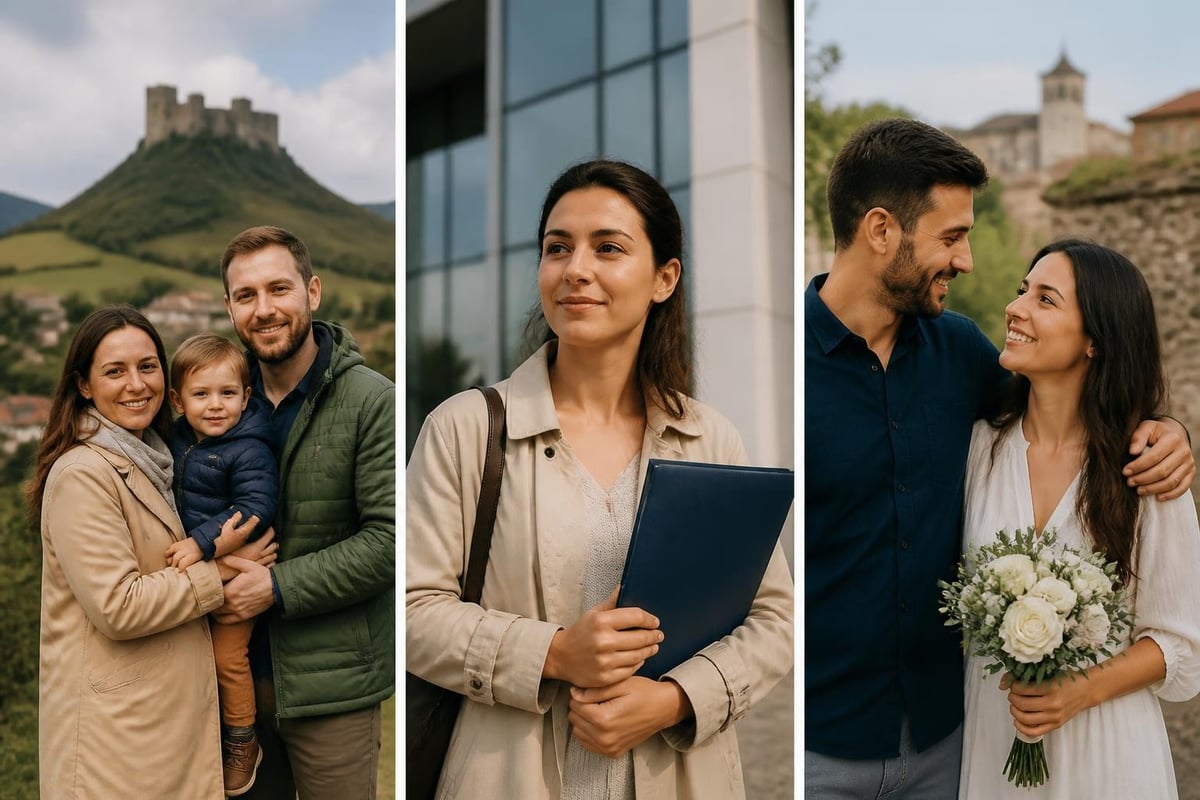
Citizenship by Descent: The 2026 Reforms
The most significant development in slovakia citizenship law concerns descendants of Slovak nationals. The July 2026 reforms addressed historical criticisms of the previous regime, which required applicants to demonstrate continuous residency or renounce existing citizenship.
The streamlined procedures introduced in 2026 represent a philosophical shift towards recognizing ethnic Slovak heritage regardless of current residence. This change aligns Slovakia with other European nations that have embraced more inclusive policies toward their diaspora communities.
| Previous Requirements (Pre-July 2026) | Current Requirements (Post-July 2026) |
|---|---|
| Mandatory residency in Slovakia | No residency requirement |
| Single citizenship requirement | Dual citizenship permitted |
| Complex documentation standards | Streamlined evidentiary process |
| Limited application timeframes | Extended processing windows |
Eligibility Criteria for Descent Applications
To qualify for slovakia citizenship by descent under the 2026 framework, applicants must demonstrate direct lineage to Slovak nationals. The evidentiary standards, whilst simplified, remain rigorous to prevent fraudulent claims.
Documentation requirements typically include:
- Birth certificates establishing unbroken lineage
- Marriage certificates for name changes
- Historical records proving ancestor's Slovak nationality
- Identity documents for all listed ancestors
- Translated and apostilled versions of foreign documents
The updated evidentiary standards recognize the practical difficulties faced by descendants whose family records may have been disrupted by historical events, including territorial changes, wars, and migration patterns throughout the 20th century.
Naturalization Through Residence
Whilst descent-based slovakia citizenship has become more accessible, the naturalization pathway maintains substantial residence requirements. This reflects Slovakia's commitment to ensuring that new citizens have genuine integration into Slovak society and culture.
The residence requirements for Slovak citizenship vary depending on individual circumstances and applicant categories.
Standard Residence Requirements
General applicants must demonstrate eight years of continuous permanent residence in Slovakia immediately preceding their application. This period ensures adequate time for language acquisition, cultural integration, and establishment of meaningful ties to Slovak communities.
Shortened residence periods apply to specific categories:
- Five years for recognized refugees or individuals granted subsidiary protection
- Five years for individuals who completed higher education in Slovakia
- Three years for spouses of Slovak citizens (with minimum two years of marriage)
- Five years for stateless persons born in Slovak territory
Continuous residence means maintaining a permanent address in Slovakia without absences exceeding a specified threshold. Temporary departures for business, education, or family reasons may be permissible but require documentation and cannot exceed cumulative limits set by naturalization conditions.

Language and Integration Requirements
Slovakia citizenship through naturalization mandates demonstrated proficiency in the Slovak language and knowledge of Slovak constitutional order. These requirements ensure that new citizens can participate meaningfully in civic life and contribute to Slovak society.
Language Proficiency Standards
Applicants must pass a standardized Slovak language examination at the B1 level of the Common European Framework of Reference for Languages. This intermediate level requires ability to:
- Understand main points of clear standard speech on familiar matters
- Navigate most situations arising whilst travelling in Slovakia
- Produce simple connected text on familiar topics
- Describe experiences, events, dreams, and ambitions with basic reasoning
Exemptions from language testing exist for individuals with documented disabilities preventing examination participation or those who completed Slovak-language education programs.
Cultural and Civic Knowledge
The citizenship examination includes questions on Slovak history, constitutional principles, and fundamental civic responsibilities. This component ensures applicants possess baseline knowledge necessary for informed participation in democratic processes.
Test preparation resources are available through integration programs administered by government agencies and non-governmental organizations supporting immigrant integration.
Dual Citizenship Provisions
Slovakia's stance on dual citizenship has evolved significantly, though important distinctions remain between descent-based and naturalization pathways. The 2026 reforms permit slovakia citizenship applicants through descent to retain existing nationalities, whilst naturalization applicants may face different requirements.
For individuals acquiring citizenship through standard naturalization, Slovakia generally requires renunciation of previous nationality, with specific exceptions for:
- Citizens of European Union member states
- Citizens of states with reciprocal agreements with Slovakia
- Individuals whose original nationality cannot be renounced by law
- Refugees and stateless persons
This policy reflects Slovakia's integration priorities whilst acknowledging practical realities of international migration and family connections spanning multiple countries.
Application Process and Timeline
Securing slovakia citizenship requires navigating a structured administrative process involving multiple government agencies. Understanding each stage helps applicants prepare appropriate documentation and manage expectations regarding processing timeframes.
Step-by-Step Application Process
Initial consultation with Slovak consular officials or qualified immigration advisors helps determine eligibility and identify necessary documentation. This preliminary stage prevents wasted effort on applications unlikely to succeed.
Document collection represents the most time-intensive phase for most applicants. Requirements vary by pathway but universally demand authenticated, translated documents meeting specific Slovak standards.
- Gather all required identity documents and supporting evidence
- Obtain official translations from certified Slovak translators
- Secure apostille authentication for foreign documents
- Compile supporting documentation proving residence or descent
- Prepare financial evidence demonstrating economic self-sufficiency
Application submission occurs through designated channels depending on applicant location. Slovak residents submit applications to the Ministry of Interior, whilst overseas applicants typically work through Slovak diplomatic missions.
Processing and review involves background checks, document verification, and assessment of integration factors. Processing times vary considerably based on application volume and complexity.
| Application Stage | Estimated Timeframe |
|---|---|
| Document preparation | 2-6 months |
| Initial review | 4-8 weeks |
| Background verification | 3-6 months |
| Ministerial decision | 2-4 months |
| Oath ceremony scheduling | 1-2 months |

Costs and Financial Considerations
Acquiring slovakia citizenship involves various fees and indirect costs that applicants should factor into their planning. Whilst the official government fees remain relatively modest compared to some citizenship programs, ancillary expenses can accumulate substantially.
Official Fees and Charges
Application processing fees for slovakia citizenship applications are set by government regulation and vary by pathway. Standard naturalization applications carry different fees than descent-based applications, reflecting differing administrative complexity.
Document authentication costs include apostille services, certified translations, and notarization fees. International applicants may incur additional charges for document courier services and legalization through multiple jurisdictions.
Language examination fees apply to naturalization applicants requiring proficiency testing. These standardized assessments carry set costs established by approved testing centers.
Indirect Costs
Beyond official fees, applicants should budget for:
- Legal consultation fees for complex cases
- Travel expenses for document collection and oath ceremonies
- Lost income during document preparation and application processes
- Accommodation costs for non-resident applicants attending required appointments
For individuals considering alternative citizenship options, programs such as the Vanuatu Citizenship by investment offer different cost-benefit profiles, particularly for those prioritizing expedited processing and investor-friendly frameworks.
Rights and Responsibilities of Slovak Citizens
Slovakia citizenship confers comprehensive rights and obligations under Slovak constitutional law and European Union frameworks. Understanding these elements helps prospective applicants evaluate whether Slovak nationality aligns with their personal and professional objectives.
Fundamental Rights
Slovak citizens enjoy complete political participation rights, including voting in national, regional, and European Parliament elections. They possess unrestricted rights to live, work, and study anywhere within the European Union without additional permits or visas.
Social protections include access to Slovakia's healthcare system, educational institutions, and social welfare programs on equal terms with native-born citizens. These benefits extend throughout the European Economic Area under EU mobility provisions.
Consular protection becomes available through Slovak diplomatic missions worldwide, providing assistance during emergencies, natural disasters, or legal difficulties abroad.
Civic Obligations
Slovakia citizenship carries several mandatory responsibilities:
- Tax obligations on worldwide income for Slovak tax residents
- Military service considerations for male citizens within specified age ranges
- Civic participation expectations including jury duty and census compliance
- Legal adherence to Slovak criminal and civil law regardless of physical location
Comparing Citizenship Pathways Globally
Within the broader landscape of citizenship acquisition, slovakia citizenship represents a traditional European model emphasizing genuine connection through either ancestry or sustained residence. This contrasts with citizenship by investment programs that prioritize economic contribution over physical presence.
Investment-Based Alternatives
For individuals whose circumstances do not align with Slovakia's residence or descent requirements, citizenship by investment programs offer accelerated pathways to second nationality. These programs, administered by select countries worldwide, grant citizenship in exchange for substantial economic contributions.
Caribbean nations, Pacific island states, and select European countries operate established investment citizenship frameworks. The processing timeframes, investment thresholds, and resulting citizenship rights vary considerably across jurisdictions.
Evaluating whether traditional naturalization routes like slovakia citizenship or investment-based alternatives better serve individual needs requires careful consideration of:
- Timeline urgency for obtaining second citizenship
- Budget availability for investment versus extended residence costs
- Desired visa-free travel destinations and business mobility needs
- Tax implications across different citizenship jurisdictions
- Family inclusion requirements and multi-generational planning
Recent Legal Developments and Future Outlook
Slovakia's citizenship framework continues evolving in response to demographic pressures, diaspora engagement priorities, and European Union policy coordination. Staying informed about legislative developments helps prospective applicants time their applications strategically.
The 2026 amendments addressing citizenship by descent represent Slovakia's most significant nationality law reform in decades. These changes emerged from sustained advocacy by diaspora organizations and recognition that previous restrictions unnecessarily excluded genuine descendants.
Potential Future Reforms
Policy discussions within Slovak governmental circles suggest possible future developments in several areas:
Extended recognition of historical Slovak communities in neighboring countries may expand descent-based eligibility to additional applicant categories currently excluded from simplified procedures.
Digital processing initiatives could streamline application submission and document verification through electronic platforms, reducing processing times and improving accessibility for overseas applicants.
Integration program enhancement may introduce structured pre-citizenship courses combining language instruction with civic education, potentially reducing examination failure rates whilst improving integration outcomes.
Monitoring official announcements from Slovak government agencies and consulting with qualified immigration professionals ensures applicants work with current requirements rather than outdated information.
Special Considerations for Complex Cases
Certain slovakia citizenship applications involve complications requiring specialized legal guidance and additional documentation. Recognizing these complexity factors early in the process helps applicants prepare appropriately and avoid costly delays.
Historical Documentation Challenges
Applicants whose ancestors emigrated during periods of territorial change, political upheaval, or armed conflict may struggle obtaining standard documentation. The dissolution of Austria-Hungary, World War II population movements, and Cold War divisions created gaps in administrative records affecting millions of potential descendants.
Alternative evidence may include:
- Church baptismal records predating civil registration systems
- Military service documentation from historical Slovak units
- Immigration records from destination countries documenting Slovak origin
- Linguistic analysis of family surnames indicating Slovak heritage
- DNA evidence supporting claimed geographic ancestry (supplementary only)
Criminal History Considerations
Slovakia citizenship applications require criminal background checks from all countries where applicants have resided. Certain criminal convictions create absolute bars to naturalization, whilst others may require waiting periods or rehabilitation evidence.
Serious criminal offenses, particularly those involving violence, fraud, or national security threats, typically result in permanent ineligibility. Lesser offenses may be overlooked if sufficient time has elapsed and applicants demonstrate rehabilitation.
Medical and Disability Accommodations
Applicants with disabilities affecting their ability to complete standard requirements (language examinations, personal interviews, oath ceremonies) should request accommodations early in the application process. Slovak authorities provide reasonable modifications consistent with disability rights frameworks, but advance notice ensures proper arrangements.
Maintaining Slovak Citizenship
Once obtained, slovakia citizenship generally continues for life, though specific circumstances can result in loss of nationality. Understanding these provisions helps citizens avoid inadvertent denationalization whilst exercising their rights fully.
Voluntary Renunciation
Slovak citizens may voluntarily renounce their nationality through formal procedures administered by the Ministry of Interior. This option serves individuals who acquire alternative citizenship requiring renunciation of previous nationalities or those wishing to avoid dual citizenship complications.
Renunciation becomes effective only after formal approval and typically requires demonstrating existing possession of alternative nationality to prevent statelessness.
Involuntary Loss Scenarios
Slovak law provides for involuntary loss of citizenship in narrowly defined circumstances:
- Acquisition of foreign citizenship through naturalization (with exceptions for EU citizens)
- Discovery that citizenship was obtained through fraudulent documents or false statements
- Service in foreign military forces without Slovak government authorization
- Proven actions causing serious harm to Slovak state interests
These provisions are rarely invoked and include procedural safeguards protecting against arbitrary denationalization.
Slovakia citizenship offers genuine European nationality through well-established pathways emphasizing heritage connection or sustained integration, with the 2026 reforms making descent-based applications particularly accessible. For individuals whose circumstances align better with investment-based alternatives offering faster processing and different requirements, exploring diverse options proves valuable. VIMB – Vanuatu Investment Marketing Bureau provides expert guidance on citizenship by investment programs, delivering comprehensive support through their global network for clients seeking efficient second citizenship solutions that complement traditional naturalization routes.